
Should I protect my cards?
Why You Should Protect Your Pokémon Cards — Sleeves, Top Loaders, and Beyond
If you’ve ever pulled a shiny Charizard, a full-art Mew, or even just your favourite starter Pokémon, you’ll know that Pokémon cards aren’t just paper — they’re memories, collectibles, and sometimes even valuable investments. Whether you play, trade, or simply collect, protecting your cards is one of the smartest things you can do.
💎 1. Condition Is Everything
In the world of trading cards, condition determines value. A card that’s perfectly mint can be worth several times more than the same card with scratches, bends, or whitening on the edges.
Even tiny imperfections — the kind that happen just by stacking or shuffling — can instantly drop a card’s grade or resale value.
That’s why proper storage matters. Keeping your cards safe from dust, fingerprints, and everyday wear is essential if you ever plan to trade, sell, or display them.
🧊 2. Protecting Against Physical Damage
Cards are surprisingly delicate. Bending, humidity, and friction can all ruin a once-perfect pull. Using protective gear helps prevent:
Corner dings and edge whitening from handling
Scratches on the holo surface
Warping caused by temperature or moisture
Dust and dirt buildup over time
Even casual collectors should sleeve cards right after opening a pack. Think of it like giving your Pokémon a Poké Ball — you’re keeping it safe until it’s time to shine again.
🪄 3. Card Sleeves — The First Line of Defence
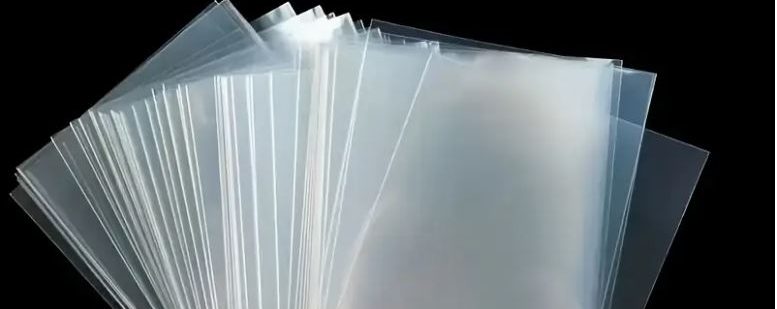
Card sleeves are the go-to protection for any Pokémon collector. They’re thin, transparent covers that slip over your card to shield it from scratches and fingerprints.
There are a few main types:
Penny sleeves: Thin, affordable, and perfect for everyday use.
Perfect fit sleeves: Snug and clear, ideal for double-sleeving or grading prep.
Premium sleeves: Thicker and often matte-finished to reduce glare when playing or displaying.
As soon as you pull something rare, it should go straight into a sleeve. Don’t wait — even a single shuffle or table slide can cause damage.
🧱 4. Top Loaders and Card Savers — Serious Protection for Serious Cards
For cards you really value — like alternate arts, rare promos, or graded-worthy pulls — you’ll want to step up to top loaders or card savers.
Top loaders are rigid plastic sleeves that keep cards completely flat. Perfect for mailing, displaying, or long-term storage.
Card savers are semi-rigid holders often used for PSA or Beckett grading submissions. They offer solid protection without putting pressure on the card edges.
When paired with an inner sleeve, these options provide near-total protection from bending, dust, and drops.
📚 5. Binders — Organise and Display Like a Pro
If you’ve got a growing collection, binders are your best friend. They keep everything organised, easy to browse, and protected from the elements.
Look for side-loading binders with acid-free, PVC-free pages. Side-loaders prevent cards from slipping out, while acid-free materials ensure no chemical damage over time.
Many collectors use zip-up binders with padded covers for extra security — especially when travelling or trading.
There’s nothing quite like flipping through a binder and seeing your collection neatly displayed in order. It makes collecting feel even more rewarding.
🔥 6. Long-Term Storage Tips
If you’re serious about preserving your cards, here are a few pro tips:
Keep cards in a cool, dry place — avoid humidity and direct sunlight.
Never rubber-band or stack raw cards — it warps and damages edges.
Use silica gel packets in storage boxes to reduce moisture.
Store binders upright to prevent bending pages.
And remember: even cards in sleeves or binders benefit from being kept in a stable, climate-controlled space.
💰 7. Protecting Your Investment
Pokémon cards aren’t just a hobby — they can be valuable collectibles. A single rare card in perfect condition can be worth hundreds or even thousands of pounds. Proper protection ensures that if you ever decide to sell or grade your cards, you’ll get the highest possible value.
Think of card protection as an investment in your investment.